
Going Home After a Stroke or Brain Injury: Closing the Care Gaps
Guest blog by Designer Health Partners
Designer Health Partners (DHP) provides in-home neurorehabilitation for people recovering from stroke, brain injury, spinal cord injury, and other catastrophic neurological events.
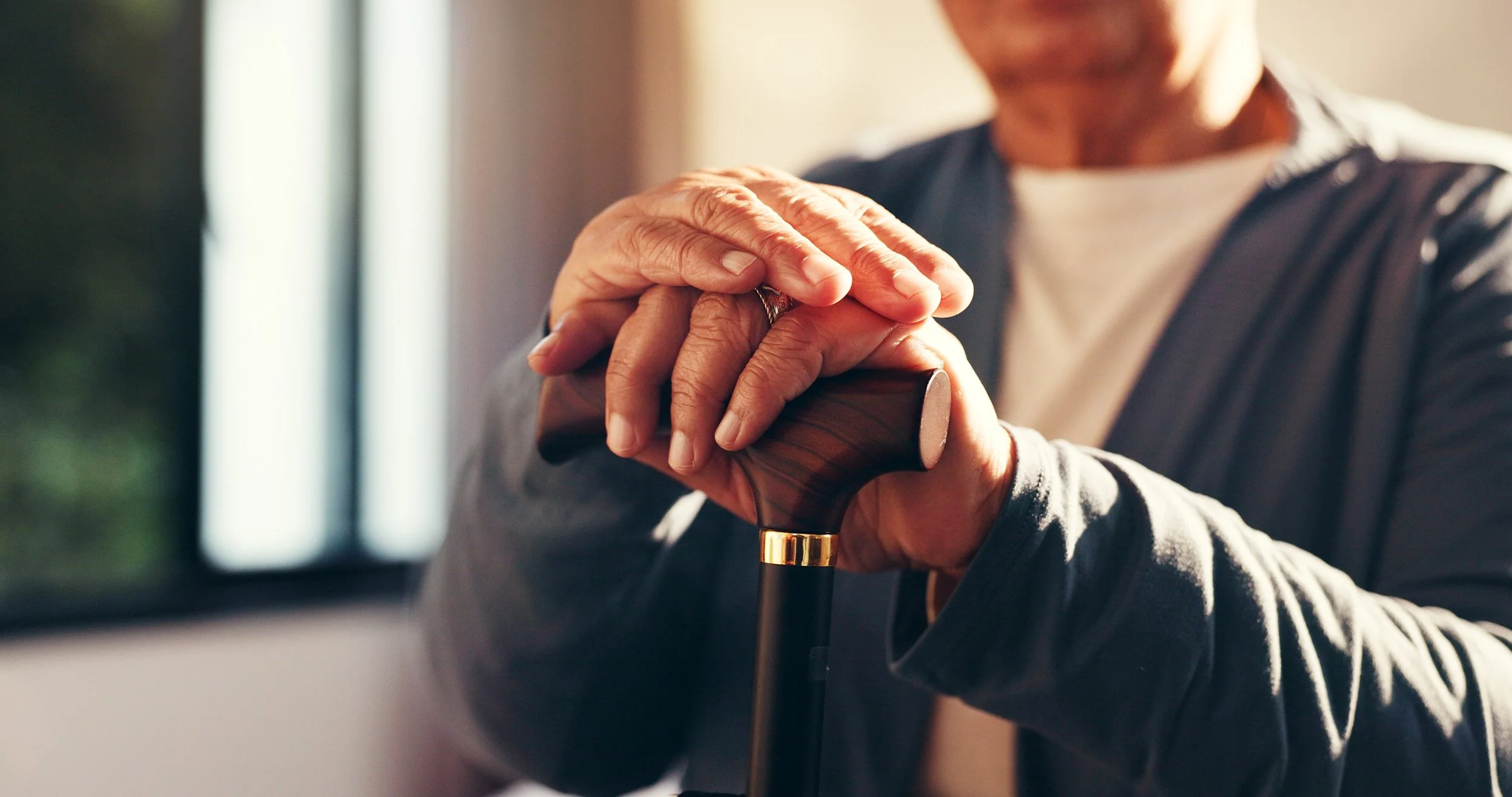
For a person who has experienced a stroke, traumatic brain injury, spinal cord injury, or another neurological event, leaving the hospital or rehabilitation facility is an important milestone. After days or weeks of highly structured care, going home can feel like a long-awaited return to normalcy.
But for many individuals and their families, discharge is also when a new set of challenges begins.
In the hospital or rehabilitation setting, physicians, nurses, therapists, and case managers may all be working within the same system. Once a person returns home, those supports can become more spread out, and families may suddenly find themselves responsible for connecting the pieces.
For people recovering from neurological injuries, a successful discharge is not simply about getting home. It is about creating continuity between the care provided in a structured setting and the realities of recovery in everyday life.
Why Discharge Home Can Be Complicated
Recovery following a neurological injury can be complex because it often affects many areas of a person's life at once.
Someone may need help with mobility and balance while also experiencing changes in memory, communication, or problem-solving. Everyday activities such as dressing, preparing a meal, managing medications, getting in and out of a vehicle, or participating in favorite activities may suddenly require new strategies or assistance.
A discharge plan can identify many of these needs and provide important recommendations for follow-up care. But identifying the next steps is only part of the transition.
The bigger question is: What happens when the discharge plan meets real life?
Where Gaps in Care Can Appear
One of the first challenges is simply managing the transition home. Families may leave a facility with referrals, follow-up appointments, therapy recommendations, equipment needs, and medication instructions, all while adjusting to significant changes in their loved one's abilities and routines. Even when each recommendation makes sense individually, coordinating everything can quickly become overwhelming.
Care may also become fragmented. A physical therapist may be addressing mobility, while a speech therapist may focus on communication or cognition. A physician may be managing medical concerns, while someone else is helping obtain necessary equipment. Each professional may be providing valuable care, but without consistent communication amongst all care team members, the patient or family can become the ones responsible for connecting all the dots.
In other words, the gap isn't always a lack of care. Sometimes it is a lack of connection between the care that already exists.
The home environment can reveal additional challenges. A rehabilitation facility cannot perfectly recreate someone's bathroom, stairs, kitchen, vehicle, daily schedule, or community. A person who successfully practices a skill in a structured environment may discover that performing it at home is much more complicated.
And those needs may continue to change. Neurological recovery does not always follow a predictable path. The priorities during the first few weeks at home may look very different several months later.
What Better Continuity Can Look Like
Good post-discharge care is not necessarily about adding more appointments. Often, it is about making sure the right people are communicating and working toward goals that matter in the person's everyday life.
For families, some helpful questions to consider include:
Who is looking at the overall care plan?
Are the different providers communicating with one another?
Who should we contact when needs or abilities change?
Are rehabilitation goals translating into greater independence at home and in the community?
Is someone helping us identify needs we may not yet know to anticipate?
These questions can help families move beyond simply completing a list of referrals and toward building a more connected plan for recovery.
Why a Multidisciplinary Approach Matters
Neurological recovery rarely falls within a single discipline. Depending on the individual, care may involve physicians, nursing, physical therapy, occupational therapy, speech-language pathology, case management, therapeutic recreation, equipment specialists, and other professionals.
The benefit of a multidisciplinary approach isn't simply having more people involved. It is having those professionals communicate and work toward shared goals for the same person.
Mobility, for example, may affect whether someone can return to favorite activities in the community. Cognitive changes may influence safety or the ability to manage a daily routine. Equipment needs may affect independence at home. A person's confidence, interests, and sense of purpose may also influence how engaged they are in rehabilitation.
Looking at these needs together helps shift the focus from treating individual impairments to understanding how recovery fits into a person's life.
At Designer Health Partners, this philosophy guides our approach to neurological rehabilitation. DHP works alongside a client's existing physicians and other providers, helping coordinate care across disciplines and connect rehabilitation goals with the realities of the person's home, family, and community. The aim is not to replace the care already in place, but to help the different pieces work together.
Discharge Is a Transition, Not a Finish Line
Getting home after a neurological injury is an accomplishment, but it does not mean recovery or the need for support has ended.
Families should not have to become experts in every rehabilitation discipline to understand whether the pieces of a loved one's care are working together. Thoughtful coordination, communication among providers, and attention to how a person actually lives can help make the transition from facility to home more manageable.
Ultimately, the goal after a neurological injury isn't simply to arrange the next appointment. It's to build a bridge between medical recovery and the life a person is working to return to.

About Designer Health Partners
Designer Health Partners (DHP) provides in-home neurorehabilitation for people recovering from stroke, brain injury, spinal cord injury, and other catastrophic neurological events. DHP was founded in 2020 by Dr. Anna Choo Elmers, MD, JD, a board-certified physical medicine and rehabilitation physician who is also board-certified in brain injury medicine. DHP provides post-acute services in the home setting, picking up where inpatient, outpatient, or other home health services leave off. Each client receives compassionate care and expert guidance with each service, which includes but is not limited to: physical therapy, occupational therapy, speech therapy, recreation therapy, respiratory therapy, nutrition, seating and mobility, and assistive technology.
